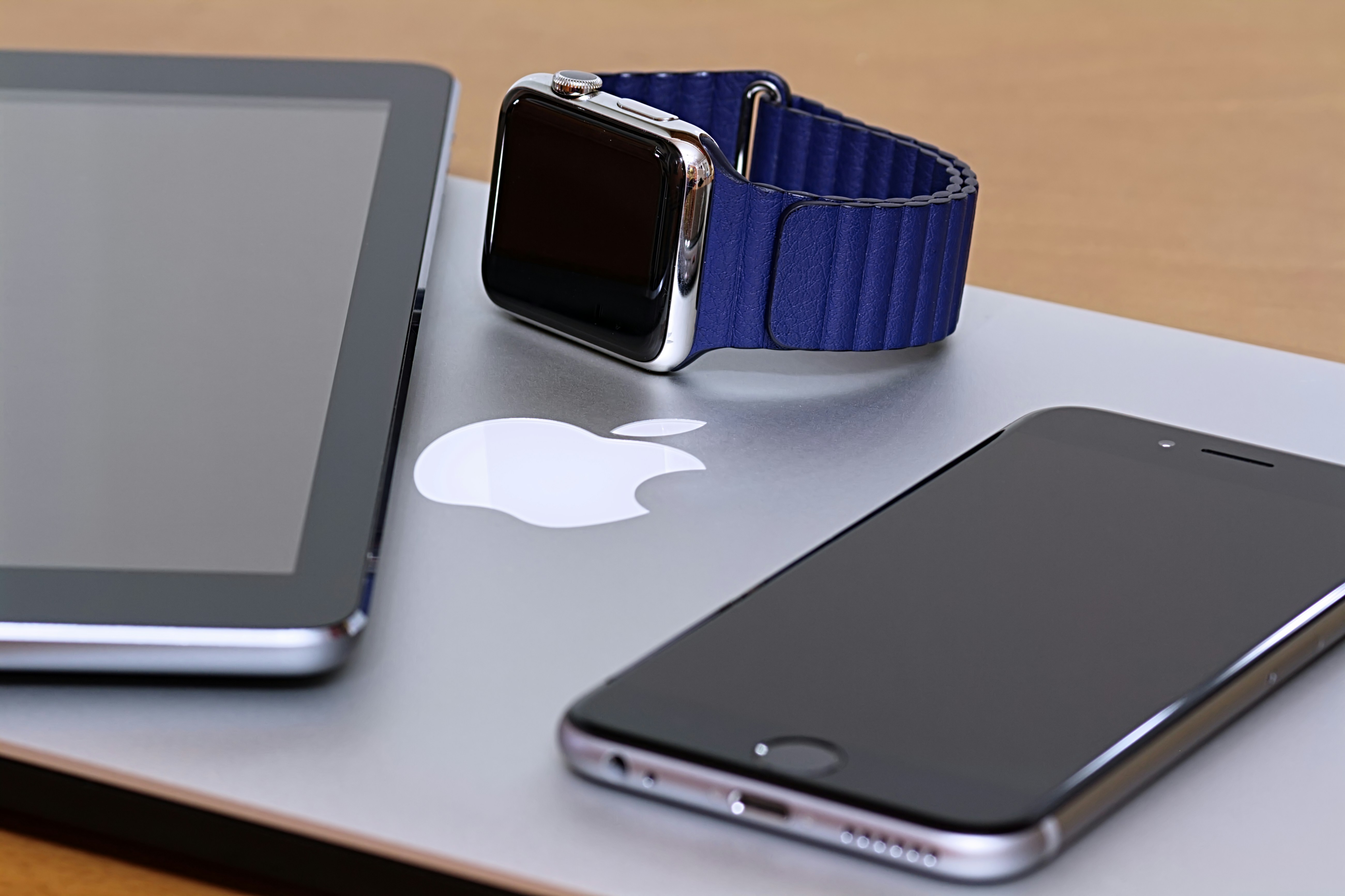
Smartphones: Your Ultimate Companion
In today’s fast-paced world, smartphones have become an indispensable part of our daily lives. Serving as more than just a communication tool, these devices have evolved into multifunctional platforms that enhance our productivity and entertainment. With an estimated global smartphone penetration rate surpassing 80%, it is evident that these gadgets have profoundly changed how we interact with one another and with the world around us.
Smartphones facilitate seamless communication through voice calls, text messages, and various social media applications. They allow users to connect with friends, family, and colleagues instantly, breaking down geographical barriers and promoting a global discourse. Moreover, smartphones serve as central hubs for entertainment, offering access to streaming services, e-books, music, and gaming. This level of accessibility ensures that users have a wide range of content at their fingertips, making it easier to unwind after a busy day.
In terms of productivity, smartphones are equipped with an array of personal assistant features that help manage daily tasks. Applications for scheduling appointments, setting reminders, and organizing notes empower users to stay focused and efficient. The navigation capabilities of smartphones further contribute to their usability, guiding users through unfamiliar territories with ease and convenience. Notably, the built-in cameras on modern smartphones allow individuals to capture high-quality images and videos, facilitating the sharing of experiences in real-time.
The convergence of these functionalities within a single device provides a level of convenience that defines modern living. Smartphones are not only tools for communication but also vital instruments that enhance our overall lifestyle, showcasing their importance in our daily routines.
Smartwatches: The Future of Wearable Technology
In recent years, smartwatches have emerged as pivotal instruments in the realm of wearable technology, catering to various aspects of health monitoring and connectivity. With their ability to seamlessly integrate with smartphones, these devices allow users to maintain an active lifestyle while remaining informed about important notifications and fitness metrics directly from their wrists.
One of the primary functions of smartwatches is to track fitness metrics, which include steps taken, calories burned, and distance traveled. Additionally, these devices are equipped with heart rate monitors that provide real-time data on the user’s cardiovascular health. For instance, Apple Watch and Samsung Galaxy Watch are exemplary models that feature advanced sensors, enabling users to monitor their heart rates during different activities. This data not only offers insights into one’s fitness levels but also promotes healthier choices in daily routines.
Moreover, smartwatches serve as a hub for notifications, allowing individuals to receive calls, messages, and app alerts without needing to constantly check their smartphones. This capability is particularly advantageous for those who lead busy lifestyles, as it enables users to stay connected while keeping their hands free. With features like customizable notifications, users can prioritize alerts based on importance, ensuring that they do not miss essential communications.
Real-world applications of these devices can be witnessed among fitness enthusiasts and busy professionals alike. For example, a runner can track their performance metrics while listening to music via their smartwatch, whereas a businessperson can review calendar invitations and emails during a meeting without reaching for their phone. The combination of health monitoring and functional connectivity makes smartwatches indispensable in modern society.
Wireless Earbuds: Freedom from Wires
In recent years, wireless earbuds have emerged as a staple accessory for music lovers, podcast enthusiasts, and individuals seeking hands-free communication. The rise of this technology has revolutionized the way we consume audio content and interact with our devices. With the elimination of cumbersome wires, users now experience unparalleled freedom to enjoy their favorite sounds while commuting, exercising, or engaging in daily tasks.
The integration of advanced technologies into wireless earbuds has significantly enhanced sound quality and battery efficiency. Most models come equipped with high-quality drivers and sophisticated audio codecs that deliver clear sound and rich bass, ensuring an immersive listening experience. Additionally, advancements in battery life allow for extended usage—often several hours on a single charge—coupled with rapid charging capabilities. This convenience is particularly beneficial for the active lifestyle, where quick top-ups during breaks can ensure that users remain connected and entertained without disruption.
Noise cancellation has also become a prominent feature in many wireless earbuds, allowing users to isolate themselves from ambient sounds, thereby enriching their audio experience. This feature not only elevates the enjoyment of music and podcasts but is also increasingly important for professionals who rely on clear communication during calls. The ability to block out distractions fosters a focused environment, whether one is working remotely or navigating a busy public space.
Ultimately, wireless earbuds embody a synthesis of convenience and technology, marking a significant step forward in personal audio consumption. Their rise reflects a broader trend towards mobility and functionality in our gadgets. As we continue to embrace these small yet powerful devices, it becomes evident that they have transformed modern audio experiences profoundly.
Portable Chargers: Staying Powered Up on the Go
In today’s fast-paced world, the dependency on smartphones and other electronic devices has increased manifold. Whether for work, communication, or entertainment, these gadgets play an essential role in our daily lives. Consequently, running out of battery on the go can be a significant inconvenience. This is where portable chargers come to the rescue, offering a reliable solution to maintain power.
Portable chargers, also known as power banks, come in various shapes and sizes to cater to different needs. They can range from small, pocket-sized devices with a capacity of around 5,000 mAh, sufficient for charging a smartphone once, to larger units exceeding 20,000 mAh that can charge multiple devices several times. With such an array of options, it is crucial to choose a portable charger that aligns with one’s specific lifestyle. For example, a frequent traveler may benefit from a high-capacity charger that can handle multiple charges, while day-to-day users might prefer a compact one that is easy to carry.
Modern portable chargers also incorporate smart charging technologies, allowing them to detect the required power for different devices and adjust output accordingly. This feature enhances charging efficiency, ensuring that devices get the optimal amount of charge without risk of damage. Furthermore, some portable chargers offer dual or even triple USB ports, enabling users to charge multiple devices simultaneously, which is particularly advantageous in a multi-device world.
When selecting the right portable charger, individuals should consider their device requirements, charging habits, and whether they need specific features like fast charging or wireless capabilities. Evaluating personal routines, such as typical usage and travel frequency, will assist in making an informed choice. Ultimately, investing in a suitable portable charger promotes greater flexibility and peace of mind when navigating a battery-powered lifestyle.
Smart Home Devices: Automating Your Life
The advent of smart home devices has transformed the way we interact with our living spaces, pushing the boundaries of convenience, security, and energy efficiency. These innovative gadgets, which include smart speakers, smart lighting, and smart thermostats, are quickly becoming essential components of modern households. With a simple voice command or a tap on a smartphone, homeowners can easily control various aspects of their home environment, enhancing day-to-day living.
One of the key advantages of smart home devices is the convenience they offer. Smart speakers, such as Amazon Echo and Google Home, serve as central control hubs for many smart devices. These devices not only allow users to play music and set reminders but can also control smart lights and thermostats, creating an interconnected ecosystem. For example, with smart lighting, families can schedule their lights to turn on and off automatically, simulating their presence when away from home to deter potential intruders.
Moreover, security is significantly enhanced through smart home technology. Devices such as smart cameras and doorbell systems offer real-time monitoring and alerts to any unusual activity around the home. Many smart home platforms, including Apple HomeKit and Samsung SmartThings, integrate security features seamlessly, allowing for remote access and control from anywhere, further ensuring peace of mind for homeowners.
In addition to convenience and security, smart devices greatly contribute to energy efficiency. Smart thermostats, like the Nest Learning Thermostat, adapt to the homeowner’s habits, optimizing heating and cooling to save energy. This not only reduces environmental impact but also leads to decreased utility bills, making smart home devices a financially savvy investment.
In conclusion, smart home devices are revolutionizing the traditional living experience by providing enhanced convenience, security, and energy efficiency. As technology evolves, these gadgets will play a pivotal role in creating connected environments that cater to our modern lifestyles.